
I helped keep the machines that print the world’s microchips running. Now I build software, and the businesses around it.
The scale changed. The instinct didn’t.
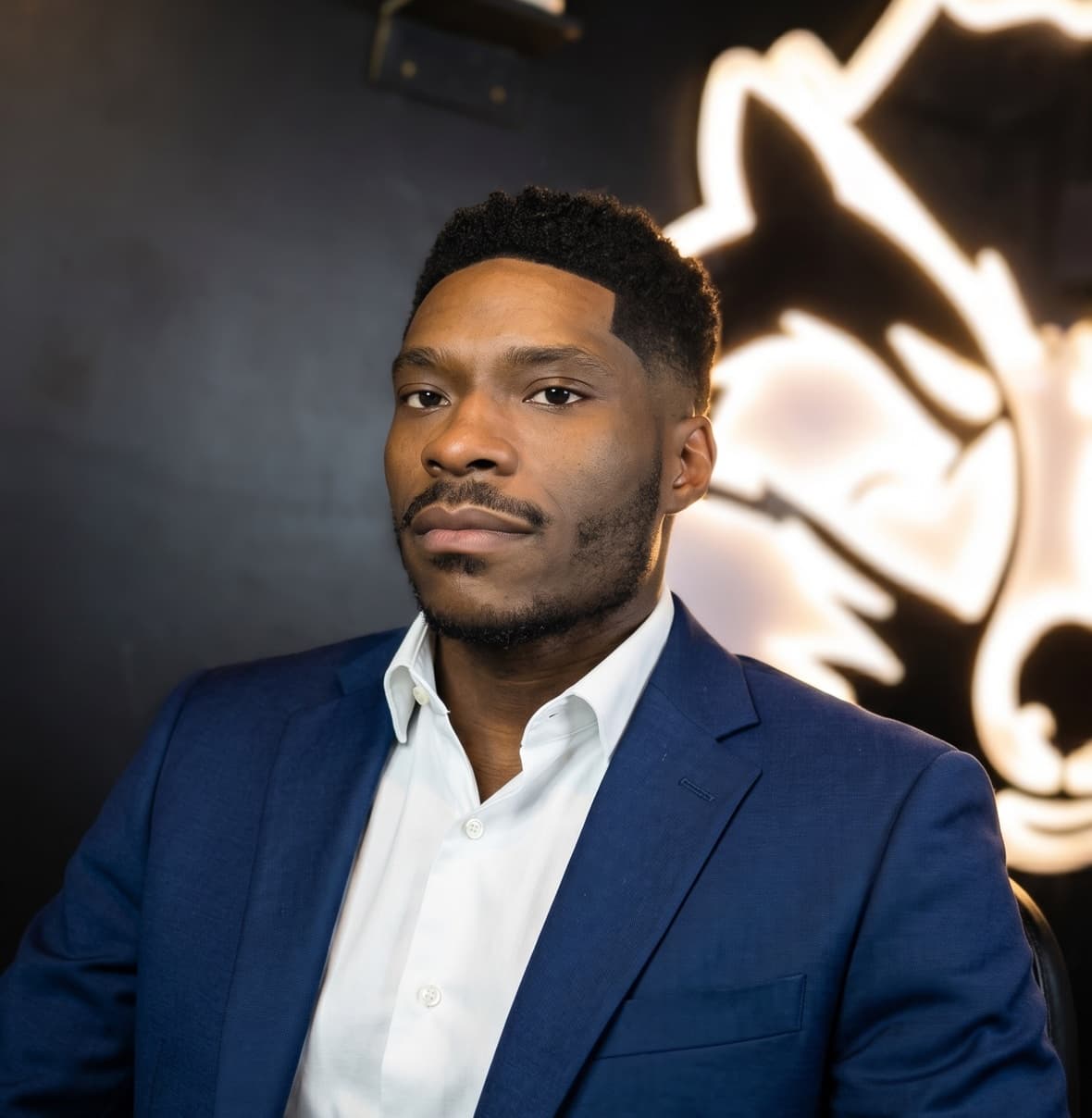
I grew up between two very different worlds.
Outside the house was South London. It was diverse, energetic and full of opportunity, but it could also be competitive and unforgiving. Respect mattered. Confidence mattered. Learning how to hold your own mattered.
Inside the house was something very different. My parents placed a strong emphasis on education, discipline and culture. There were expectations, responsibilities and values that came from our Igbo heritage and from the sacrifices they had made to build a life in the UK.
As a child, I didn't always appreciate the contrast. Looking back, I can see how much it shaped me.
One environment taught resilience. The other taught responsibility. One encouraged independence. The other reminded me that I was part of something bigger than myself.
As I got older, basketball became another major influence. It taught me discipline, teamwork and competitiveness, but it also taught me something less obvious: progress comes from consistency. The people who improve are usually the ones who keep showing up long after the excitement fades.
None of these experiences pointed towards a company. But they shaped the way I approach challenges, opportunities and people.
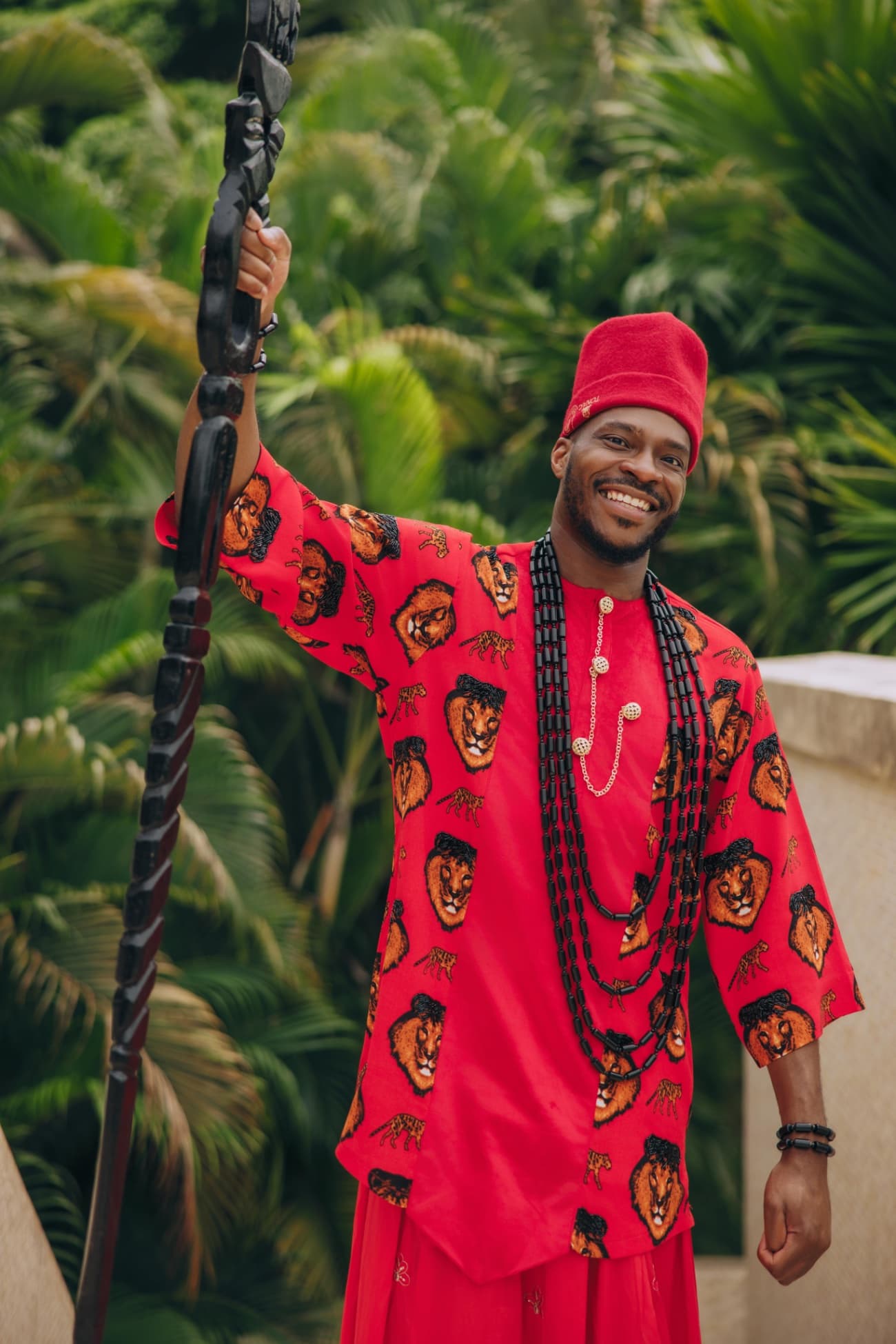

Those influences shaped more than my upbringing. They shaped the way I think.
Growing up between different worlds taught me to see more than one version of a situation, and to trust that things are rarely as simple as they first appear. I've always been more interested in what sits beneath the surface than in the obvious answer.
Over time, curiosity became the strongest thread of all. If something interests me, I tend to keep pulling at it until I understand how it works, whether that's a process, a business, a technology or a problem. I rarely stop at the first explanation if I feel there's more to uncover.
But understanding was never quite enough. Curiosity often became action. An idea became a project. A challenge became something to explore. An opportunity became something to build. I found the greatest satisfaction not in knowing how something worked, but in taking that understanding and turning it into something practical, useful and real.
Looking back, that's probably the clearest way to describe who I became. Someone driven by curiosity, motivated by improvement and always searching for a better understanding of how things work.
It took me a long time to see the pattern.
For years, basketball, engineering, technology and business felt like separate interests that happened to sit side by side. Looking back, they pulled me in for the same reason.
A basketball team isn't just a collection of players. A business isn't just a collection of people. A process isn't just a series of steps. Beneath the surface of each one are systems, relationships and behaviours that quietly determine whether it succeeds or struggles.
That layer, the one most people walk past, is the one I could never leave alone. And understanding it was never enough. I wanted to explore it, challenge it and see what happened when it changed.
Whether I was on a basketball court, inside a business, on a plant floor or teaching myself to write code, I found myself returning to the same questions. Why does this work the way it does? What is everyone else missing? What becomes possible if it works differently?
It took me years to realise those questions had been following me everywhere.
The setting changed. The problem didn't.
In engineering, when a system isn't working, everyone knows. Production slows. Quality suffers. Costs rise. The problem is loud.
Outside those environments, the same problems exist, but much quieter. They hide inside spreadsheets, inboxes, manual processes, missed opportunities and work that depends entirely on one person remembering what happens next.
Most businesses don't wake up thinking they need a new system. They simply know something feels harder than it should.
Over time, I realised I was solving the problem I always had, only the setting had changed: find the real cause, not the symptom, and put something in place that fixes it for good.
AkuDozie grew from that. It is an engineering studio. We build software, and the businesses around it: the strategy, the brand, the product, the engineering, the launch and the running of it.
Some of what we build is for clients. Some of it is ours, and we run it to the same standard.
That's the work I do today.
Akụ Dozie.

It's Igbo.
Those two words are the job. In most businesses the effort is already there, the knowledge is there, the good people are there. What's missing is the arrangement, the systems that let it all work. Setting that right is what I'd spent years doing before it ever had a name.
If that sounds like what you need, that's where the audit starts.
Start with the auditExperience teaches you which ideas survive contact with reality.
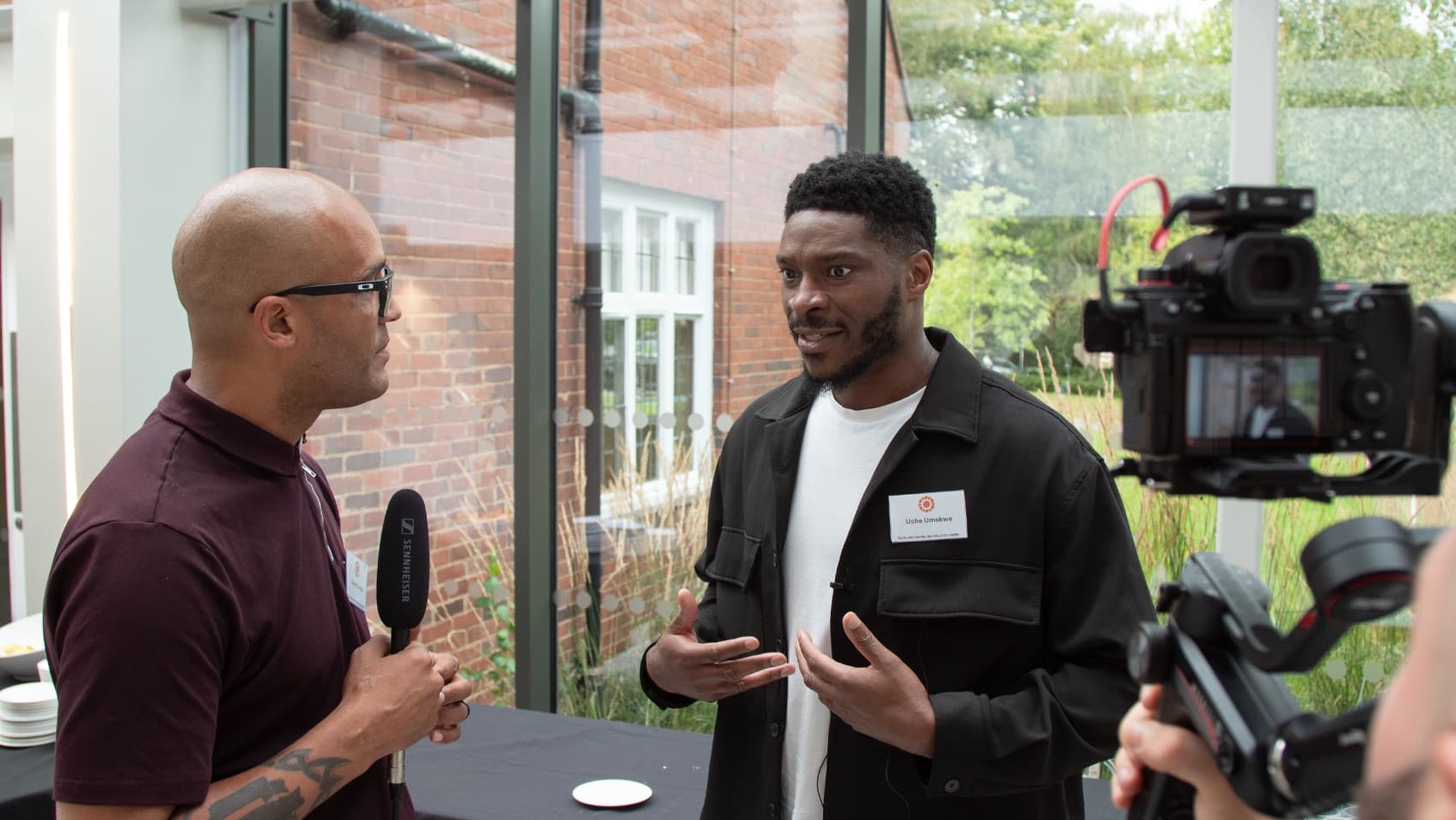
For more than a decade before AkuDozie, I made operations work inside some of the most demanding companies in the world. I led performance on the ASML machines that print the world's microchips, lifted one plant's output by about a quarter at Tata Chemicals, and ran teams and projects across Teva and Tate and Lyle, and still lead projects at Sekisui today. The job was always the same underneath: find what's holding a system back, and fix it.
I also build, not just advise. I led the team that shipped the software ASML's engineers used every day. On my own time I taught myself to ship real software, including an automated system that has run unattended for over a year. When I say I build and run software, I mean it literally. That is what the studio does now, for clients and for brands of our own.
However different the business, the way I work doesn't change. Understand how the work really happens before reaching for a tool. Cut complexity rather than add to it. Build things that keep running long after launch, not systems that only work while I'm watching.
- ASML
- Tata Chemicals
- Teva
- Tate & Lyle
- Emerson
- Sekisui

Some things change. The game stays the same.
When I'm not building systems, you'll usually find me on a basketball court. I've played for over twenty years, including a season in the Netherlands, and I still turn out for Greenwich Titans in the National Basketball League, England's semi-professional tier. These days, I'm usually the oldest player out there.
I'm well past the age most people hang it up, and I have no intention of stopping. After a week of untangling other people's problems, there's something refreshing about a game that doesn't care where you've worked, what you've built or what you did yesterday. The only question is what you can do on the floor.
Off the court, my life is simpler than people might guess. Close to my family, connected to the community I grew up in, and content to keep it that way.
Good software, run properly, shouldn't be a luxury.
Most good ideas and most growing businesses hit the same wall. The strategy sits with one firm, the brand with another and the build with a third. Nobody runs it after launch. When something breaks, everyone points at someone else.
I want the opposite. One studio that takes a business or a product from the first decision to the daily running, and answers for all of it.
AI is what makes that possible for a studio our size. We use it in our own design, engineering and operations. We build it into what we make wherever it does the job better.
We prove it on brands of our own first. Airtight is ours. Then we hold anything we build for you to the same standard.
Let's start with the problem.
If something feels harder than it should, or you have an idea you keep coming back to, that's where we start.
Rather talk first? Book a 30-minute call.